


Introduction
Have you ever wondered how a sticky, tar-like resin forms deep inside mountain rocks?
Shilajit is one of nature’s most fascinating substances. It has been used for thousands of years in traditional medicine. But very few people know where it actually comes from.
How is shilajit formed? The answer lies deep within the Himalayan mountains. Over hundreds of years, layers of plants, organic matter, and minerals get trapped between rocks. Pressure, heat, and microbial activity slowly transform this matter into a dark, resin-like substance.
This process takes centuries. The result is one of the most mineral-dense natural substances on Earth.
In this complete guide, you will learn everything about the shilajit formation process. We will cover the science, the environment, and the traditional story behind this powerful mountain resin.
What Is Shilajit?
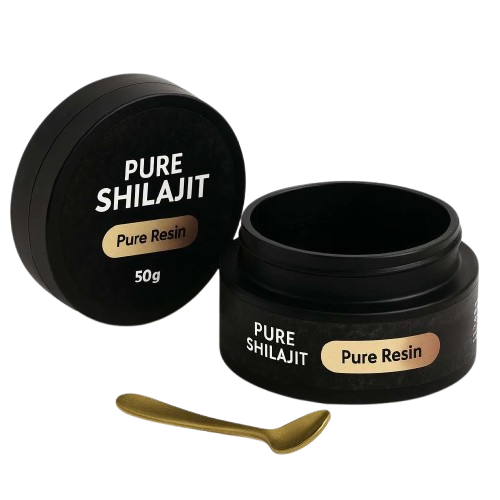
Shilajit is a natural resin. It oozes out of rocks in high-altitude mountain ranges.
It is dark brown or black in color. It has a thick, sticky texture. It smells earthy and strong.
If you want to understand what shilajit actually is in detail, we have a full guide covering its origins and properties.
Shilajit is also known by other names:
- Mineral pitch
- Rock sweat
- Mountain blood
- Mumijo (in Central Asian cultures)
Once you understand how it forms, it helps to learn what shilajit is used for in everyday health routines.
In Ayurvedic medicine, shilajit is considered a rasayana, meaning a substance that promotes longevity and vitality. It contains over 80 minerals, fulvic acid, humic acid, and many bioactive compounds.
But what makes it so unique is not just what it contains. It is how it is formed that makes it truly special.
Where Is Shilajit Found?
Shilajit is found in several mountain ranges around the world. These include:
- The Himalayas (India, Nepal, Pakistan, Tibet)
- The Altai Mountains (Russia and Central Asia)
- The Caucasus Mountains (Georgia, Armenia, Azerbaijan)
- The Hindukush range (Afghanistan and Pakistan)
However, the Himalayas are considered the most potent source. The unique climate, altitude, and biodiversity of this region make Himalayan shilajit the most sought-after variety in the world.
It is typically found at altitudes between 3,000 and 5,000 meters above sea level. At these heights, the air is clean, the rocks are ancient, and the environment is largely untouched by human activity.
How Is Shilajit Formed in the Himalayas?
This is the big question. And the answer is both scientific and deeply natural.
How shilajit is formed in the Himalayas comes down to a very slow, very powerful process. It begins millions of years ago, when the Himalayan mountains were still rising from the Earth’s crust.
As the mountains rose, vast forests and plant life became trapped between layers of rock. Over time, these plants, including mosses, lichens, roots, leaves, and other organic matter, began to decompose.
But this was not ordinary decomposition. The extreme altitude, heavy pressure of rocks, cold winters, warm summers, and microbial activity all worked together. They slowly broke down the organic material. The result was a dense, mineral-rich substance that accumulated inside rock cracks and crevices.
This substance is shilajit.
It did not form overnight. It took hundreds to thousands of years to develop into the resin we know today.
The Natural Shilajit Formation Process (Step by Step)
Understanding the shilajit formation process is easier when broken into clear stages.
Step 1: Plant matter accumulates
Centuries ago, plants, herbs, mosses, and microorganisms lived on and around the Himalayan rocks. When these organisms died, their remains settled into cracks in the rock.
Step 2: Organic matter gets trapped
Over time, rock layers shifted. The organic matter became sealed inside. It could not escape. It had nowhere to go.
Step 3: Pressure and heat begin the transformation
The weight of the mountains above created intense pressure. During warmer months, the temperature inside the rocks rose. This heat and pressure began breaking down the plant material at a molecular level.
Step 4: Microbial activity joins the process
Tiny microorganisms living inside the rocks helped break down the organic material further. These microbes played a critical role. They transformed complex plant compounds into simpler, more bioavailable molecules.
Step 5: Minerals from the rocks get absorbed
As the organic matter decomposed, it absorbed minerals from the surrounding rocks. Iron, magnesium, zinc, copper, potassium, and many other trace elements became part of the mixture.
Step 6: Fulvic and humic acids form
One of the most important steps is the creation of fulvic acid and humic acid. These are powerful organic acids that form during deep decomposition. They are what give shilajit most of its health-related properties.
Step 7: Resin slowly develops
After centuries of this process, the decomposed material transforms into a thick, tar-like resin. This is shilajit in its raw form.
Why the Himalayas Produce the Best Shilajit
The formation of Himalayan shilajit is unique for several reasons.
The Himalayas are the highest mountain range on Earth. They have some of the most ancient and mineral-rich rock formations in the world. The biodiversity is extraordinary. Thousands of plant species grow here, many of which are found nowhere else.
All of these factors combine to create a richer, more potent shilajit compared to other regions. The higher the altitude, the purer the environment. Fewer pollutants mean cleaner shilajit.
The seasonal climate also plays a huge role. Cold winters freeze the mountain. Hot summers warm it. This repeated freeze and thaw cycle over centuries acts like a natural pressure system, pushing and concentrating the resin deeper and deeper into the rock.
Minerals and Compounds Found in Himalayan Shilajit
Himalayan shilajit is a mineral powerhouse. Here is what it contains:
- Fulvic acid — the most active compound, supports nutrient absorption
- Humic acid — supports detoxification and immune function
- Iron, zinc, magnesium, copper — essential trace minerals
- Selenium — a powerful antioxidant mineral
- Carbon-60 — a naturally occurring antioxidant compound
- Dibenzo-alpha-pyrones — supports energy production at a cellular level
These compounds are exactly what make the benefits of shilajit so wide-ranging and well-documented.
For a deeper look at what each of these compounds does in the body, you can explore the research breakdown of shilajit’s active compounds compiled by independent nutrition scientists.
Over 80 ionic minerals have been identified in authentic Himalayan shilajit. This is why it has been called “the destroyer of weakness” in ancient Ayurvedic texts.
How Long Does Shilajit Take to Form?
This is a question many people ask. The honest answer is: a very long time.
Researchers estimate that shilajit takes anywhere from 300 to over 1,000 years to form fully. Some sources suggest the organic matter that creates shilajit dates back millions of years to when the Himalayas were still forming.
This is why authentic shilajit is so rare and so valuable. It cannot be manufactured in a laboratory. It cannot be rushed. Nature alone creates it, slowly and patiently, over centuries.
How Shilajit Comes Out of the Mountain Rocks
Once the resin has formed inside the rock, it stays there until conditions change.
During the warmer summer months, the mountain rocks heat up. This causes the resin to soften and become more fluid. The shilajit slowly seeps out through natural cracks and crevices in the rock surface.
Traditional harvesters know exactly when and where to look. They climb high into the mountains during the summer and collect the resin directly from the rock face. Fresh shilajit at this stage is very sticky and dark, almost like thick molasses.
It is then cleaned, purified, and processed before it is safe for human use.
Why Himalayan Climate Is Important for Shilajit Formation
The climate of the Himalayas is not just cold. It is extreme. And that extremity is exactly what creates quality shilajit.
Here is how the climate contributes:
- Cold winters slow decomposition and preserve organic compounds
- Hot summers accelerate microbial activity and push resin to the surface
- Heavy snowfall adds water and pressure to the rock layers
- UV radiation at high altitude creates unique chemical reactions in the resin
- Dry mountain air prevents contamination from moisture-borne bacteria
This constant cycle of extreme cold and heat, repeated over hundreds of years, is what gives Himalayan shilajit its exceptional mineral density and potency.
Traditional Discovery of Shilajit in the Mountains
The story of how humans first discovered shilajit is fascinating.
Ancient legends say that mountain people in the Himalayas noticed white monkeys licking a dark substance from the rocks during summer. These monkeys appeared healthy, strong, and sharp. Curious villagers investigated and discovered shilajit.
Whether or not that story is literally true, it reflects something real. Local communities in high-altitude regions of India, Nepal, Pakistan, and Tibet have known about shilajit for centuries. They used it as a general health tonic, energy booster, and remedy for altitude sickness.
The Sanskrit word “shilajit” translates roughly to “conqueror of mountains” or “destroyer of weakness.” Both names speak to its origins and its reputation.
Final Thoughts
Now you understand how shilajit is formed and why it is so special.
It is not just a supplement. It is a product of time, pressure, minerals, and mountains. The shilajit formation process spans hundreds of years and involves some of the most powerful natural forces on Earth.
The Himalayas, with their ancient rocks, extreme climate, and rich biodiversity, create the ideal conditions for this incredible resin to develop. That is why Himalayan shilajit is considered the gold standard worldwide.
When you use authentic Himalayan shilajit, you are using something that nature spent centuries creating. That alone makes it worth understanding deeply.