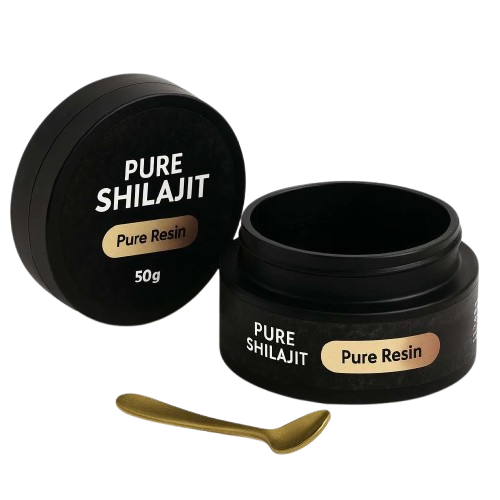



If you have been curious about shilajit but keep asking yourself, “does shilajit taste bad?” you are not alone. It is one of the first things people want to know before they try it. And honestly, it is a fair question. No one wants to commit to a daily supplement only to dread taking it every morning.
The short answer is: shilajit has a bold, complex flavor that most people would not describe as pleasant at first. But once you understand why it tastes the way it does, it starts to make a lot of sense. And there are easy ways to work around it.
Let’s break it all down.
What Is Shilajit, and Where Does It Come From?
Before we get into the shilajit taste explained in full detail, it helps to know what this substance actually is.
Shilajit is a dark, sticky resin that forms naturally in mountain ranges, most famously the Himalayas. If you want to understand exactly how this process works, we have covered it in detail in our guide on how shilajit is formed in the Himalayas.
This slow formation process is what makes shilajit so nutrient-dense. It is packed with over 80 trace minerals, fulvic acid, humic acid, iron, magnesium, zinc, and a range of other bioactive compounds. These are the very compounds responsible for its well-documented health benefits and, as you will see, also responsible for its distinctive taste.
What Does Shilajit Taste Like?
So, what does shilajit taste like, really? The most honest answer is that it tastes like the earth: raw, ancient, and mineral-heavy. Most first-time users describe the flavor using a few common words:
- Bitter – similar to very dark chocolate or black coffee, but stronger
- Earthy – like damp soil, moss, or wet stone after rain
- Slightly smoky – with a faint, charred aftertaste
- Mineral-like – almost like tasting metallic spring water
- Mildly salty – from the high concentration of natural minerals
These flavors do not all hit you at once. You may notice the bitterness first, followed by an earthy warmth, and then a lingering aftertaste that is slightly smoky or mineral-rich. It is a layered experience: unusual, but not impossible to manage.
How strong is shilajit taste? Stronger than most supplements people are used to. If you have ever tasted a concentrated herbal tincture or a green powder supplement and found those intense, shilajit takes it a step further.
Why Does Shilajit Have Such a Strong Taste?
The taste is not random. It is directly tied to what shilajit is made of. Here is why each flavor note exists:
Bitterness comes from the fulvic acid and humic acid content. These are organic acids formed during the natural decomposition of plant matter. Both are extremely concentrated in shilajit, and both have naturally bitter, sharp flavors. Interestingly, these same acids are what make shilajit so effective at supporting nutrient absorption and cellular energy.
Earthiness is a result of the mineral content and the organic compounds absorbed from the surrounding rock and soil over millennia. Shilajit literally carries the chemical signature of its mountain environment. That damp, deep, underground quality in the flavor is exactly what you would expect from something formed inside the earth over thousands of years.
Smokiness often comes from the purification process. Raw shilajit pulled from rock faces contains impurities like dust, debris, and microbes. Quality producers purify it using controlled heat and water filtration. This gentle heating can leave a faint smoky note in the final product, similar to a smoked tea or smoked salt.
Mineral saltiness is simply the taste of concentrated minerals. With over 80 trace minerals present, it would be surprising if shilajit did not have a slightly salty, metallic edge.
What Does Pure Shilajit Taste Like Compared to Low-Quality Versions?
This is an important question, especially since the market has many imitation or diluted products.
What does pure shilajit taste like? Genuine, high-grade shilajit resin has a very intense, complex flavor profile: deeply earthy, powerfully bitter, and unmistakably mineral-rich. The smell alone is distinctive, damp, earthy, and slightly smoky.
Low-quality or adulterated shilajit products often taste much milder or oddly sweet. If you are unsure how to tell the difference, read our full breakdown on how to identify pure shilajit vs fake products.
In short: if you buy real shilajit and it tastes like nothing much, question its quality. The strong taste is a sign of potency.
Does Shilajit Taste Different Depending on the Form?
Yes, and this is worth knowing before you buy. Shilajit comes in several forms, and the shilajit taste explained across these forms varies quite a bit.
Shilajit Resin
Shilajit Resin is the least processed and most concentrated form. It is also the strongest tasting. Resin has the full, complex flavor profile described above: intensely bitter, earthy, and mineral-heavy. Many experienced users prefer resin precisely because its strong taste signals high potency.
Shilajit Powder
Powder is made by drying and processing the resin. The taste is still present but somewhat softer. It mixes more easily into drinks and foods, which helps distribute the flavor so it is less concentrated on the palate.
Shilajit Capsules
Shilajit Capsules encase the powder or a dried extract inside a gelatin or plant-based shell. You taste virtually nothing. This is the most convenient option for people who find the flavor genuinely difficult to handle. However, capsules may contain lower concentrations of active compounds, so always check the label for fulvic acid content and purity.
Shilajit Tablets or Gummies
Some brands now offer shilajit in tablet or shilajit gummies. These are usually the mildest tasting of all, but they tend to contain the smallest amounts of actual shilajit per serving, often combined with flavoring agents and sweeteners.
Does Shilajit Taste Bad? Let’s Be Honest
Does shilajit taste bad? For most people trying it for the first time, yes, it can be a bit of a shock. We are not wired to enjoy intensely bitter, mineral-heavy flavors. Our taste buds are designed to be cautious about them, since bitterness in nature often signals toxins. Of course, shilajit is not toxic, quite the opposite, but that initial instinct to recoil is normal.
That said, many regular users report that the taste becomes familiar and even comforting over time. It starts to feel like a ritual rather than a chore. Some people even say they associate the strong taste with the energy boost and clarity they feel shortly after taking it, which creates a positive mental connection to the flavor.
How to Make Shilajit Easier to Take
If the taste is putting you off, do not give up. There are genuinely effective ways to manage it:
Dissolve it in warm water with honey. This is the most classic method. Honey softens the bitterness significantly while complementing shilajit’s earthy notes. Use raw honey for an extra nutritional bonus.
Add it to warm milk or a golden milk blend. Milk’s fat content rounds out shilajit’s sharp edges. Mixing it with turmeric, cinnamon, and a pinch of black pepper creates a warm wellness drink that masks the flavor almost completely.
Blend it into a morning smoothie. Strong fruit flavors like mango, banana, and berries are powerful enough to overpower shilajit’s taste. Add a scoop of protein powder or nut butter for extra coverage.
Stir into herbal tea or coffee. The natural bitterness of coffee or robust herbal teas like licorice root or ginger blend surprisingly well with shilajit’s earthy notes.
Chase it with citrus. Some users dissolve their dose in a small glass of warm water, take it quickly, then follow up with fresh orange juice or a squeeze of lemon. The citrus refreshes the palate immediately.
Try capsules if all else fails. There is no shame in choosing capsules. Getting the benefits of shilajit consistently is more important than taking it in any particular form.
Tips for First-Time Users
If this is your first time trying shilajit, here are a few practical things to keep in mind:
- Start small. A rice-grain-sized amount of resin is enough for a beginner. A smaller dose means a milder introduction to the flavor.
- Be consistent. Many users say the taste gets easier to handle within one to two weeks of daily use.
- Take it in the morning. Most people find shilajit works best on an empty or lightly fed stomach in the morning, which also means you get the taste out of the way early.
- Store it properly. Shilajit resin should be kept in a cool, dark place. Exposure to direct sunlight or extreme heat can affect both its potency and its flavor.
Frequently Asked Questions
Does shilajit smell as strong as it tastes?
Yes. Shilajit’s smell closely mirrors its flavor: earthy, damp, slightly smoky, and mineral-rich. Some people find the smell more challenging than the taste itself, especially with high-grade resin.
Can you get used to the taste of shilajit?
Most people do, especially with regular use. Starting with a smaller amount and gradually increasing it gives your palate time to adjust.
Is a strong taste always a sign of good quality?
Generally, yes. A strong, complex, bitter-earthy flavor is characteristic of authentic, concentrated shilajit. Very mild or sweet-tasting products are often lower in potency.
Can I take shilajit with food to reduce the taste?
Absolutely. Mixing it with food, drinks, or flavorful ingredients is one of the most effective ways to manage the flavor while still getting full benefits.
Final Thoughts
Understanding what shilajit tastes like, and more importantly, why, completely changes how you approach it. The bitter, earthy, mineral-heavy flavor is not a flaw. It is a direct reflection of shilajit’s extraordinary composition and centuries of natural formation inside mountain rock.
Is the taste easy? Not always, especially at first. But it is manageable. With a little creativity, whether that means honey, warm milk, smoothies, or simply choosing capsules, you can make shilajit a comfortable part of your daily routine without dreading the flavor every morning.
The strong taste is just the mountain talking. And once you understand that, it becomes a lot easier to listen.