


Introduction: A Natural Answer to a Common Struggle?
Millions of women around the world live with PCOS. The mood swings, irregular periods, weight gain, and fatigue can feel overwhelming. And for many, finding a solution that actually works without a long list of side effects feels almost impossible.
That is where natural remedies like shilajit are starting to get serious attention.
Shilajit for PCOS and hormonal imbalance has become one of the most searched topics in women’s wellness today. But is it just hype, or is there real science behind it? In this article, we break down everything you need to know, from what shilajit actually is to how it may support your hormones and overall health.
What Is PCOS and Hormonal Imbalance?
Polycystic Ovary Syndrome, commonly known as PCOS, is a hormonal disorder that affects women of reproductive age. It is one of the most common endocrine conditions worldwide, impacting roughly 1 in 10 women.
PCOS occurs when the ovaries produce an excess of androgens, which are male hormones that women also have in small amounts. This hormonal disruption can lead to a range of symptoms, including:
- Irregular or missed periods
- Excessive hair growth on the face or body
- Acne and oily skin
- Weight gain, especially around the abdomen
- Difficulty getting pregnant
- Hair thinning or hair loss on the scalp
- Fatigue and mood changes
Hormonal imbalance, more broadly, refers to when your body produces too much or too little of key hormones like estrogen, progesterone, cortisol, or insulin. These imbalances can affect nearly every system in your body, from your metabolism and sleep to your mood and fertility.
Managing PCOS typically involves lifestyle changes, medication, and in some cases, hormonal therapy. But many women are now turning to natural supplements to support their journey, and shilajit is one name that keeps coming up.
What Is Shilajit?
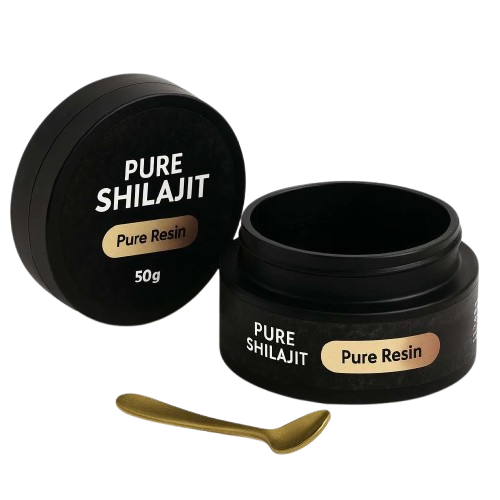
Shilajit is a thick, tar-like resin that forms over centuries from the slow decomposition of plant matter in mountain rocks. It is found primarily in the Himalayas, Altai, Caucasus, and other high-altitude mountain ranges.
Packed with over 84 trace minerals, fulvic acid, humic acid, and a range of bioactive compounds, shilajit has been used in Ayurvedic medicine for thousands of years. Traditionally, it was prescribed to boost energy, enhance fertility, and strengthen the body from within.
Today, it is available in several forms, including resin, powder, and capsules. Premium Shilajit and other reputable brands typically offer lab-tested, purified versions to ensure safety and potency.
Is Shilajit Good for PCOS? What the Research Suggests
So, is shilajit good for PCOS? The honest answer is: research is still emerging, but early findings are promising.
Here is what we know so far about how shilajit may interact with key factors related to PCOS:
1. It May Support Insulin Sensitivity
One of the core issues in PCOS is insulin resistance. When cells stop responding properly to insulin, blood sugar rises, and the body compensates by producing more insulin. This excess insulin then triggers the ovaries to produce more androgens, worsening PCOS symptoms.
Fulvic acid, the primary active compound in shilajit, has shown potential in supporting cellular energy metabolism and improving how cells respond to glucose. Better insulin sensitivity means lower androgen levels, which could directly ease PCOS symptoms.
2. It May Reduce Inflammation
Chronic low-grade inflammation is a well-documented contributor to PCOS. Shilajit contains powerful antioxidants that help combat oxidative stress and reduce inflammation throughout the body. By addressing this root cause, shilajit may help create a more balanced hormonal environment.
3. It May Support Adrenal Function
The adrenal glands play a key role in producing hormones including cortisol and DHEA. In some women with PCOS, the adrenal glands are overactive, leading to elevated androgen levels. Shilajit has adaptogenic properties, meaning it may help the body manage stress and support healthier adrenal function over time.
Benefits of Shilajit for Women’s Hormone Health
The benefits of shilajit for PCOS go beyond just one mechanism. Here is a broader look at how it may support shilajit for women hormone health:
Boosts Energy Levels
PCOS-related fatigue is real. Shilajit supports mitochondrial function, which is how your cells produce energy. Women who supplement with shilajit often report feeling more energized and mentally clear.
Supports Thyroid Health
Thyroid dysfunction is common in women with PCOS. The minerals in shilajit, including selenium and zinc, are essential for healthy thyroid hormone production. A well-functioning thyroid plays a huge role in regulating your overall hormone balance.
Improves Iron Absorption
Many women with PCOS who have heavy or irregular periods also deal with low iron levels. Fulvic acid in shilajit is known to enhance nutrient absorption, including iron, which may help combat fatigue and anemia.
May Regulate the Menstrual Cycle
By supporting hormonal balance from multiple angles, including reducing androgens, managing stress, and improving metabolic function, shilajit may gradually help regulate menstrual cycles over time.
Supports Mood and Mental Well-being
Hormonal imbalance often comes with anxiety, depression, and mood swings. Shilajit has been studied for its effect on dopamine regulation and stress response, both of which can positively affect mood.
Can Shilajit Balance Hormones Directly?
This is a question many women ask. Can shilajit balance hormones directly?
The answer is nuanced. Shilajit does not act like a hormone replacement. It does not add estrogen or progesterone to your system. Instead, it works as a systemic supporter, providing the raw materials and conditions your body needs to regulate its own hormones more effectively.
As for whether does shilajit regulate estrogen levels, some early research and traditional texts suggest it may support the balance between estrogen and progesterone by reducing oxidative stress on the reproductive system and improving adrenal health. However, more large-scale clinical studies in women are still needed to confirm this directly.
How to Use Shilajit for Hormonal Imbalance
If you are considering adding shilajit to your routine, here is a simple guide on how to use shilajit for hormonal imbalance:
- Choose the Right Form: Resin is considered the purest and most bioavailable form. Capsules and powder are more convenient but make sure they are from a tested, reputable source like Premium Shilajit to avoid contaminants.
- Start with a Small Dose: For beginners, a pea-sized amount of resin (roughly 300 to 500 mg) once daily is a good starting point. You can gradually increase based on how your body responds.
- Mix It Properly: Dissolve the resin in warm (not boiling) water, milk, or herbal tea. Avoid mixing with chlorinated tap water as it can reduce potency.
- Be Consistent: Shilajit is not a quick fix. Most women start noticing changes in energy, skin, and cycle regularity after 6 to 12 weeks of consistent use.
- Best Time to Take It: Morning on an empty stomach is generally recommended for optimal absorption.
Shilajit Dosage for PCOS
When it comes to shilajit dosage for PCOS, there is no one-size-fits-all answer since research in this specific area is still developing. However, general guidelines suggest:
- Beginners: 300 mg per day
- Maintenance dose: 300 to 500 mg per day
- Maximum: Up to 600 mg per day for short periods, under guidance
Always start low and increase slowly. And always consult your healthcare provider before starting any new supplement, especially if you are on medication for PCOS, diabetes, or thyroid conditions.
Is Shilajit Safe for Women with PCOS?
Is shilajit safe for women with PCOS? Generally speaking, yes, when it is high-quality, purified shilajit taken in appropriate doses.
However, there are important precautions to keep in mind:
- Avoid raw or unprocessed shilajit. It can contain heavy metals, fungi, and other contaminants. Always choose lab-tested products.
- Do not take it during pregnancy or breastfeeding unless advised by a doctor.
- Check for interactions if you are taking medications for blood pressure, blood sugar, or hormone therapy.
- Watch for side effects like increased uric acid levels, which may be an issue for women with gout or kidney issues.
- People with hemochromatosis (excess iron) should avoid shilajit due to its iron-enhancing properties.
When in doubt, speak to a qualified healthcare professional before starting.
Frequently Asked Questions (FAQs)
Can shilajit increase fertility in women with PCOS?
Shilajit may support fertility indirectly by improving hormonal balance, reducing inflammation, and supporting egg quality through its antioxidant properties. It is not a fertility drug but may complement other treatments.
How long does shilajit take to work for PCOS?
Most women report noticeable changes in energy and mood within 2 to 4 weeks. Hormonal and cycle changes may take 2 to 3 months of consistent use.
Can I take shilajit with birth control pills?
Consult your doctor before combining shilajit with hormonal contraceptives to avoid potential interactions.
Does shilajit increase testosterone in women?
At normal doses, shilajit is unlikely to raise testosterone to problematic levels in women. Some studies on men show it supports healthy testosterone, but the effect in women is less studied. Always monitor your hormonal levels with a doctor.
Conclusion: Should You Try Shilajit for PCOS?
If you are looking for a natural, well-rounded supplement to support your hormonal health journey, shilajit for PCOS and hormonal imbalance is worth serious consideration. It addresses multiple root causes of PCOS including insulin resistance, inflammation, and adrenal stress, rather than just masking symptoms.
While it is not a replacement for medical treatment, it can be a powerful addition to a healthy lifestyle that includes balanced nutrition, regular movement, stress management, and proper sleep.
Just remember: quality matters. Choose a trusted source like Premium Shilajit that offers pure, lab-verified products. Start with a low dose, stay consistent, and always keep your healthcare provider in the loop.
Your hormones work hard for you. It is time to work for them too.