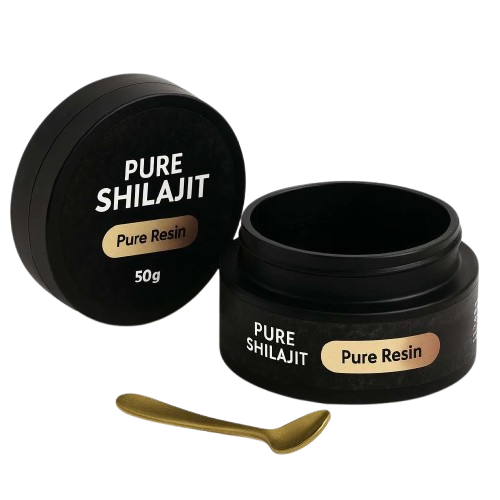



If you have been searching for a natural energy booster or a mineral-rich supplement, chances are you have come across Shilajit. This ancient resin has been used in Ayurvedic medicine for thousands of years, and for good reason. But here is the problem: the market is now flooded with fake, synthetic, and heavily processed versions that offer little to no benefit.
So how do you tell the difference between pure Shilajit vs synthetic products? How do you know you are getting the real thing and not a cleverly packaged imitation?
This guide breaks it all down for you in plain, simple language. By the end, you will know exactly what to look for, what tests to run, and where to buy pure Himalayan Shilajit with confidence.
What Is Shilajit and Why Does It Matter?
Shilajit is a dark, tar-like resin that forms naturally over centuries in mountain rock layers. It is the result of decomposed plant matter and minerals being compressed under extreme pressure at high altitudes. The Himalayas, the Altai, and the Hindu Kush ranges are the most well-known sources.
When harvested and purified correctly, real Shilajit is packed with:
- Fulvic acid (a powerful antioxidant and nutrient carrier)
- Over 84 trace minerals
- Humic acid and dibenzo-alpha-pyrones
- Naturally occurring bioactive compounds
These are the elements that make authentic Shilajit genuinely valuable. The problem is, these very qualities make it expensive and labor-intensive to produce, which is exactly why so many brands resort to natural shilajit vs artificial shilajit shortcuts that cheat the consumer.
Why Is Fake Shilajit So Common?
The simple answer is supply and demand. Real, high-grade Shilajit is rare. Harvesting it requires skilled labor, the right altitude, and careful purification. This drives costs up.
To meet growing demand, many manufacturers produce cheap imitations. Some use lab-created synthetic compounds. Others dilute real Shilajit with fillers, binders, or harmful additives. And many simply sell powdered blends with no meaningful Shilajit content at all.
This is why understanding pure Himalayan Shilajit vs fake products is not just a matter of getting your money’s worth. It is a matter of your health.
Pure Shilajit vs Synthetic: The Core Differences
Let’s look at how real Shilajit vs synthetic Shilajit differs across the most important categories.
Origin and Source
Pure Himalayan Shilajit comes from verified high-altitude regions. Trusted brands like Premium Shilajit are transparent about exactly where their product is sourced, often working with local farmers who use traditional harvesting methods.
Synthetic or fake Shilajit is typically mass-produced in a factory, with no clear geographic origin. If a brand cannot tell you where its Shilajit comes from, that is a serious red flag.
Fulvic Acid Content
Fulvic acid is the most important active compound in authentic Shilajit. Genuine, high-quality resin typically contains between 70% and 85% fulvic acid.
Synthetic versions either contain virtually no fulvic acid or use artificially added chemical forms that do not behave the same way in your body. Always check if the brand provides third-party lab reports showing actual fulvic acid percentages.
Form: Resin vs Powder
This is one of the most misunderstood areas among buyers. Here is what you need to know about best quality Shilajit resin vs powder:
- Resin is the most natural and bioavailable form. It is sticky, dense, dark, and potent. Minimal processing means the nutrients are better preserved.
- Powder is often the result of heavy processing. Many powders contain fillers, anti-caking agents, or diluted extract. Some do not contain real Shilajit at all.
- Capsules and tablets fall into a similar category as powder. While convenient, they are often far from authentic Shilajit vs supplements comparisons where the supplement wins.
If you are serious about quality, choose resin. Products like Premium Shilajit offer pure Himalayan Shilajit resin that has been minimally processed to preserve its natural integrity.
Lab Testing and Certification
Authentic brands provide third-party lab results showing:
- Fulvic and humic acid levels
- Heavy metal screening (lead, mercury, arsenic, cadmium)
- Microbial safety testing
- Absence of pesticides or contaminants
Fake or low-quality brands offer vague certifications, no batch numbers, or no documentation at all. This is one of the clearest ways to distinguish original Shilajit vs processed Shilajit from a trustworthy source.
How to Identify Pure Shilajit: The Authenticity Tests
One of the best parts about real Shilajit is that you can test it at home. Here are the most reliable shilajit authenticity tests you can perform yourself.
The Warm Water Test
Drop a small amount of Shilajit into a glass of warm water and stir gently.
- Pure Shilajit: Dissolves completely, turning the water a rich golden-brown or dark reddish-brown. No gritty residue or floating particles.
- Fake Shilajit: Leaves behind sediment, clumps, or simply does not dissolve properly.
This is one of the simplest and most telling tests available.
The Alcohol Test
Add a small piece of Shilajit to a small glass of rubbing alcohol.
- Pure Shilajit: Does not dissolve easily in alcohol. It may sink, partially separate, or resist dissolution entirely.
- Fake Shilajit: Dissolves quickly in alcohol, which indicates the presence of synthetic chemicals or lab-altered compounds.
The Fire Test
Using tweezers, hold a small piece of resin near a flame. Be careful and do this safely.
- Pure Shilajit: Will not catch fire. It may bubble slightly or char, but it will not burn like plastic or release a toxic smell.
- Fake Shilajit: Burns, melts, or emits a chemical odor. This is a clear sign of synthetic waxes or petroleum-based fillers.
The Temperature Test
Hold some Shilajit in your palm for 30 seconds.
- Pure Shilajit: Softens and becomes more pliable with body heat. When cooled, it hardens again.
- Fake Shilajit: Stays rubbery, waxy, or oily regardless of temperature.
The Smell Test
Pure Shilajit has a distinctive earthy, smoky, slightly mineral scent. It smells like the mountains it came from.
- Signs of fake Shilajit: A sweet smell, a perfumed fragrance, no smell at all, or a chemical odor. These all point to artificial ingredients or masking agents.
The Taste Test
Real Shilajit tastes bold, bitter, and mineral-heavy. It is not pleasant in a conventional sense, but it is unmistakable.
- Fake Shilajit: Tastes bland, sweet, or has an artificial flavor added to hide its synthetic nature.
Signs of Fake Shilajit You Should Never Ignore
Knowing the signs of fake Shilajit can save you money and protect your health. Watch out for:
- No third-party lab reports available
- No mention of fulvic acid content
- Suspiciously low price compared to market rates
- Comes only in capsule or powder form with no resin option
- Packaging uses cheap plastic with no ingredient transparency
- Brand cannot tell you where or how it was sourced
- Dissolves in alcohol or catches fire during testing
Fake Shilajit Side Effects: Why This Matters for Your Health
Taking a low-quality or synthetic product is not just a waste of money. It can be actively harmful. Fake Shilajit side effects reported by users include:
- Digestive upset, nausea, or stomach cramps
- Headaches and dizziness
- Exposure to heavy metals like lead or arsenic
- Allergic reactions from unknown fillers
- No noticeable health benefit due to absence of real active compounds
This is especially concerning because consumers often take Shilajit for its health properties, not realizing that a fake product could be undermining their goals or harming their body at the same time.
Is synthetic Shilajit safe? The short answer is: no one really knows, because it is not regulated or tested the same way as pure natural resin. The safest route is always to choose products with verified, transparent testing.
Why Shilajit Quality Matters More Than Price
Many buyers make the mistake of choosing the cheapest option. But why Shilajit quality matters goes beyond getting what you pay for.
Pure Himalayan Shilajit, when authentic, can support:
- Natural energy and stamina
- Cognitive function and mental clarity
- Mineral absorption and gut health
- Hormonal balance and vitality
- Recovery and anti-inflammatory support
A synthetic or diluted product gives you none of these benefits. You are essentially paying for colored paste or a filler powder with zero therapeutic value.
Investing in a trusted brand like Premium Shilajit means you are getting the real compound that has been used in traditional medicine for centuries, backed by modern lab testing.
Resin vs Powder vs Capsules: Which Form Is Best?
Here is a quick comparison to help you choose:
| Form | Purity | Bioavailability | Convenience |
| Resin | Highest | Highest | Moderate |
| Powder | Variable | Lower | High |
| Capsules | Variable | Lowest | High |
Resin is the gold standard. It is the least processed form and retains the highest concentration of fulvic acid and trace minerals. If you want the best quality Shilajit resin, start here.
Where to Buy Pure Himalayan Shilajit
Knowing where to buy pure Himalayan Shilajit is just as important as knowing what to look for. Here are the key criteria when you buy authentic Shilajit online:
- Choose brands that publish third-party lab reports. If they do not show you the data, do not buy.
- Look for sourcing transparency. A legitimate brand will tell you exactly where and how the Shilajit is harvested.
- Prefer glass jar packaging. This preserves quality better than plastic and signals that the brand takes its product seriously.
- Check for fulvic acid content. Anything below 60% should raise questions.
- Read verified customer reviews. Look for specifics about the smell, texture, and dissolving behavior.
- Avoid brands selling only capsules or powders. Resin is the most authentic form available.
Premium Shilajit is one brand that consistently meets all of these standards. With full transparency on sourcing, published lab results, and resin available in proper glass packaging, it stands as a reliable choice for anyone who takes quality seriously.
Conclusion: Do Not Settle for Less Than the Real Thing
The difference between pure Shilajit vs synthetic products is not just about quality. It is about whether you are actually getting any benefit at all, and whether what you are consuming is safe.
Real Shilajit is rare, powerful, and deeply rooted in centuries of traditional use. But it only delivers those benefits when it is sourced honestly, purified carefully, and tested thoroughly.
Use the authenticity tests in this guide. Ask hard questions about where your Shilajit comes from. Look for lab reports, check the fulvic acid content, and trust brands like Premium Shilajit that put transparency at the center of what they do.
Your health deserves nothing less than the real thing.
Frequently Asked Questions
Q1: What is the easiest way to test if Shilajit is real at home?
The warm water test is the simplest. Drop a small piece into warm water. Pure Shilajit dissolves completely and turns the water golden-brown with no gritty residue.
Q2: Is Shilajit powder the same as resin?
No. Resin is the most natural and potent form of Shilajit. Powder often undergoes heavy processing and may contain fillers, making it less effective and harder to verify for authenticity.
Q3: What are the risks of taking fake Shilajit?
Fake Shilajit can cause nausea, digestive issues, headaches, and even heavy metal toxicity. It also provides no real health benefits since it lacks genuine fulvic acid and natural minerals.
Q4: How much fulvic acid should pure Shilajit contain?
High-quality pure Shilajit typically contains between 70% and 85% fulvic acid. This should be verified through third-party lab testing, which reputable brands make publicly available.
Q5: Where can I buy authentic Shilajit online safely?
Look for brands that provide third-party lab reports, disclose their sourcing region, sell in glass jar packaging, and offer their product primarily in resin form. Premium Shilajit is one such trusted option.